
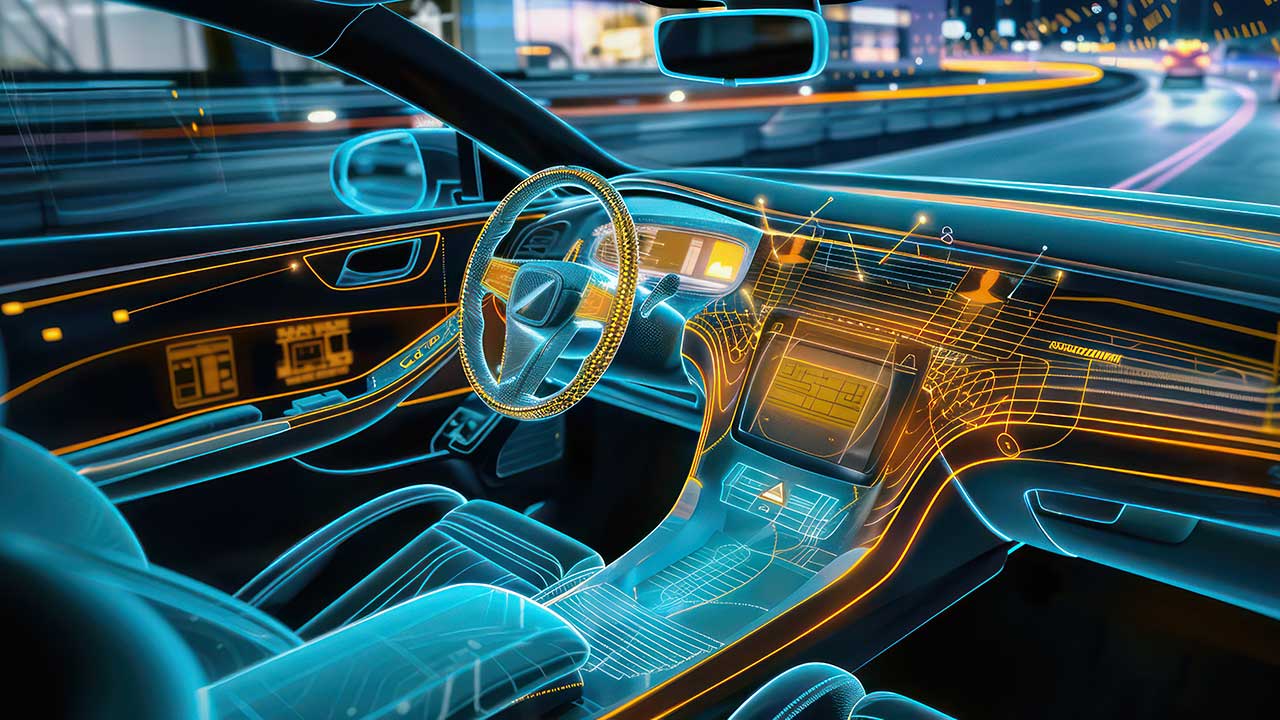
The automotive industry stands at the forefront of technological and design advancements, continuously adapting to shifts in consumer demand, regulatory frameworks, and sustainability imperatives. Modern developments reflect an intricate blend of engineering prowess, digital integration, and environmental consciousness. Below, we explore the pivotal trends defining the industry’s trajectory.
The Advancement of Electric Vehicles (EVs)
Electric vehicles have transitioned from a niche concept to a mainstream automotive solution. Governments worldwide are implementing stringent emission regulations, while manufacturers are investing heavily in research and development. Battery technology remains a cornerstone of this movement, with solid-state batteries poised to replace traditional lithium-ion counterparts. These next-generation power sources promise faster charging, extended range, and enhanced safety.
Infrastructure expansion plays a decisive role in widespread EV adoption. Charging networks are expanding rapidly, with ultra-fast chargers reducing downtime significantly. Automakers are also developing vehicle-to-grid (V2G) technology, allowing EVs to interact with power grids, contributing to energy stability.
Autonomous Driving and Advanced Driver Assistance Systems (ADAS)
Automation has redefined mobility, with driver assistance features becoming standard in many vehicles. Adaptive cruise control, lane-keeping assist, and automated emergency braking exemplify advancements that enhance safety and convenience.
The ambition to achieve fully autonomous driving remains a complex challenge. While Level 2 and Level 3 automation are increasingly available, complete autonomy demands refined artificial intelligence, robust sensor technology, and regulatory approvals. Manufacturers are forging strategic partnerships with technology firms to accelerate progress in this space, leveraging machine learning and real-time data analytics to refine decision-making algorithms.
Connectivity and Smart Vehicle Integration
Modern vehicles are no longer mere modes of transportation; they function as highly sophisticated digital ecosystems. Internet connectivity, over-the-air (OTA) software updates, and cloud-based diagnostics redefine vehicle maintenance and user experience.
5G technology amplifies connectivity potential, facilitating real-time vehicle communication with infrastructure, pedestrians, and other road users. This integration enhances predictive maintenance, navigation precision, and infotainment capabilities. Manufacturers are incorporating personalized digital assistants, transforming driving into an intuitive, interactive experience.
Sustainability in Manufacturing and Design
Sustainability extends beyond emissions reduction—it influences material selection, production processes, and end-of-life recycling strategies. Automakers are embracing lightweight composites, recycled materials, and bio-based alternatives to reduce environmental impact.
Energy-efficient factories powered by renewable sources exemplify a commitment to responsible production. Circular economy initiatives, including battery recycling programs and second-life applications, mitigate resource depletion while fostering sustainability-driven innovation.
The Expansion of Alternative Powertrains
While electric propulsion dominates discourse, alternative powertrain solutions continue to gain traction. Hydrogen fuel cells represent a promising avenue, particularly for heavy-duty transport and long-haul applications. These systems offer rapid refueling, extended range, and zero emissions, addressing limitations associated with battery-electric technology in certain contexts.
Synthetic fuels, derived from renewable sources, present another compelling prospect. These carbon-neutral alternatives provide an option for internal combustion engines while supporting existing fueling infrastructure. Research efforts aim to refine production efficiency and cost-effectiveness, ensuring viability on a broader scale.
Luxury and Customization in Automotive Design
Personalization has become a defining characteristic of modern automotive design. Luxury brands are introducing bespoke configurations, from hand-stitched interiors to customizable digital displays. Advanced lighting systems, augmented reality head-up displays, and immersive in-car entertainment solutions elevate the sensory experience.
Sustainable luxury is also gaining prominence, with high-end manufacturers incorporating eco-conscious materials such as vegan leather, sustainably sourced wood, and recycled metals. The fusion of exclusivity with responsible innovation underscores the evolving expectations of discerning consumers.
The Role of Artificial Intelligence in Vehicle Development
Artificial intelligence is reshaping every facet of automotive engineering. From predictive maintenance to autonomous decision-making, AI-driven solutions optimize efficiency and performance.
Manufacturers leverage AI for real-time traffic analysis, energy management, and driver behavior assessment. In-vehicle assistants powered by natural language processing enhance interaction, responding to voice commands and adapting to user preferences.
AI’s influence extends to manufacturing, where robotics and automation streamline production, ensuring precision and quality control. As machine learning algorithms evolve, the automotive sector will continue to refine safety, efficiency, and user experience.
The Road Ahead
The automotive landscape reflects a dynamic interplay of innovation, sustainability, and digital integration. Electrification, automation, and connectivity stand as pillars of transformation, redefining mobility across personal and commercial segments. As technology advances, the industry remains committed to enhancing efficiency, safety, and environmental responsibility.
